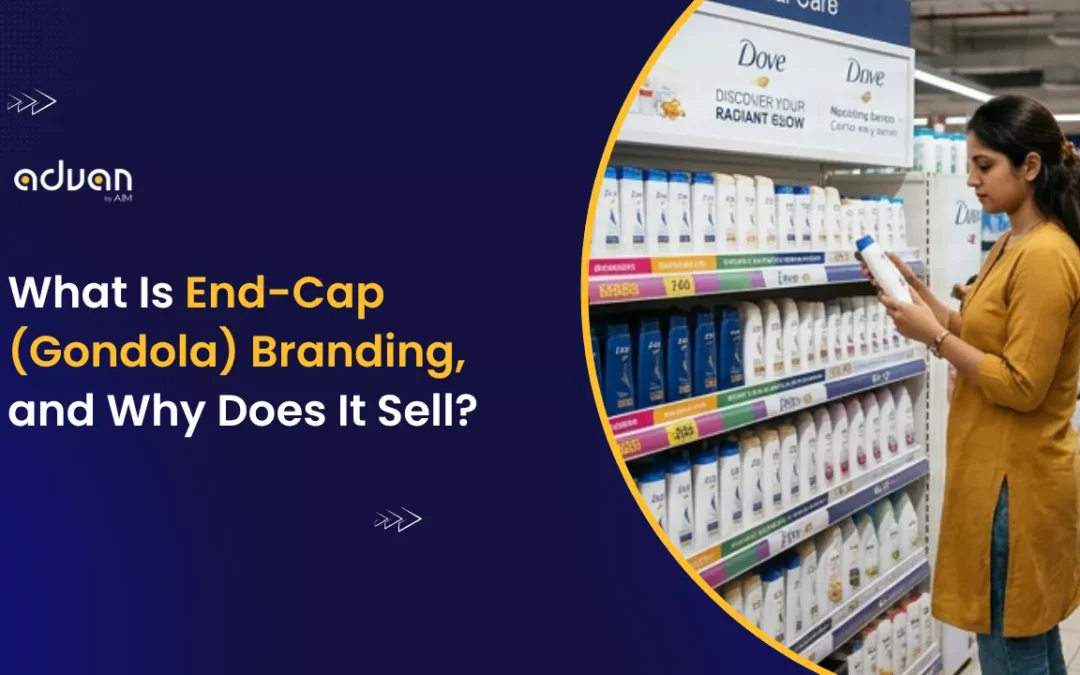

A shopper stands in front of a shelf with six brands staring back, yours among them. Everything you spent on the ad, the packaging, the distribution has done its job to get you here. And now, in the last three feet before the hand reaches out, the thing that tips the choice is often a small piece of print: a shelf strip, a dangler, a standee, a wobbler. That is POSM-Point of Sale Marketing, and most brands treat it as an afterthought while it quietly decides sales. Here is what POSM actually is, why most of it fails, and which pieces genuinely make a shopper pick your product.
Quick Answer: The POSM that works is the piece that helps the shopper at the exact moment of choosing: it is placed where the eye already goes, it carries one clear message rather than a cluttered pitch, and it gives a reason to pick this product now, a benefit, an offer, or a use. Danglers and wobblers that draw the eye to the shelf, shelf strips that mark your block, and a clean standee near the category tend to earn their place. Cluttered, wordy, badly placed POSM does not. The test is simple: does it make the decision easier at the shelf, or is it just brand wallpaper?
What Point of Sale Marketing (POSM) actually is
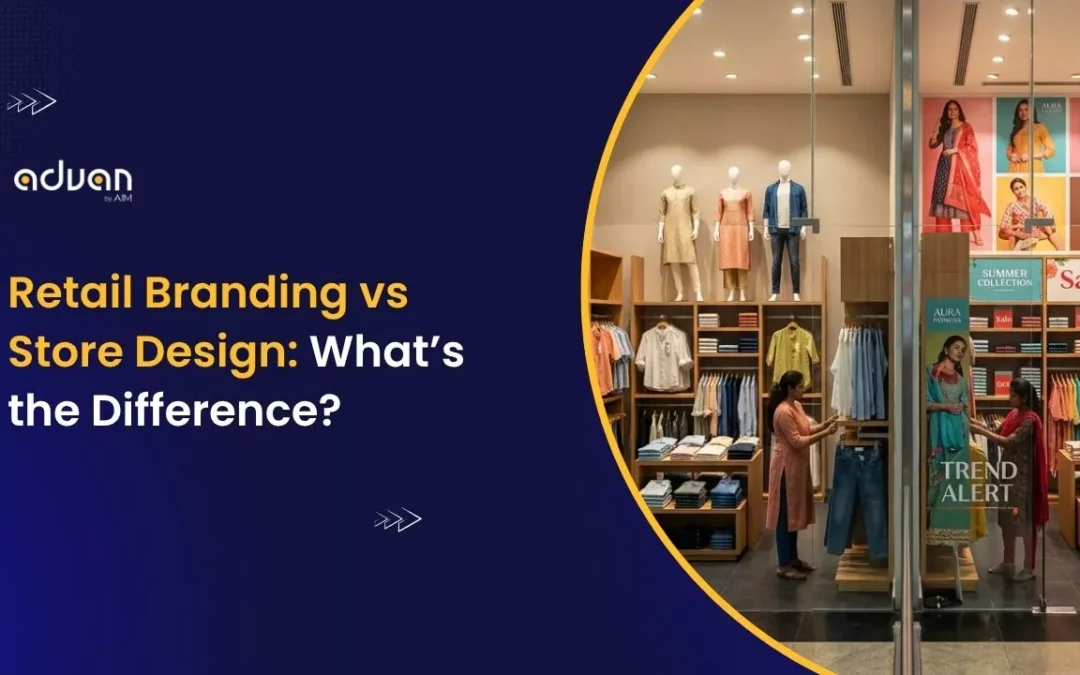
POSM, point of sale material, is the collection of branded display pieces placed inside a store to catch the shopper at the moment of purchase. It covers the standee near the aisle, the dangler hanging over the category, the shelf strip running along the edge, the wobbler that sticks out into the walkway, the poster on the wall, the counter unit by the till, and the display bin that holds stock and shouts at once. All of it has one job: to influence the shopper in the final few feet, after every other piece of marketing has already been paid for. It is the cheapest media a brand buys and the closest to the sale, which is exactly why it deserves more thought than it usually gets.
Why most POSM fails
Walk any store and you will see the problem. POSM fails for reasons that repeat across categories. It is cluttered, crammed with features, logos, and copy nobody reading at walking pace can absorb. It is placed where it does not help, high on a wall or low near the floor, away from where the eye and the hand actually go. It says nothing useful, a logo and a tagline with no reason to buy now. It is generic, the same piece used everywhere with no thought for the store or the shopper in it. And it is often damaged or dated, a torn standee or an expired offer that makes the brand look neglected rather than premium. The common thread is that the POSM was made to please the brand team, not to help the shopper decide. That is the flaw that quietly wastes the whole spend.
Which POSM earns its place
Not all POSM is equal, and the pieces that work tend to share the same logic: right place, one message, clear reason.
Wobblers and danglers. Their job is to pull the eye to your block on a busy shelf. They work when they are simple and visible, a single hook or offer, not a paragraph.
Shelf strips. They mark your territory along the shelf edge and make your range easy to find. Best used to signal a range or a price, not to explain the product.
Standees near the category. A clean standee at the entry to the aisle can steer a shopper toward your section, as long as it carries one clear message they can read while walking.
Counter units and till-point pieces. Placed where people queue and wait, these suit impulse products and small add-ons, catching the shopper with time and a wallet already open.
Display bins and floor stacks. These do double duty, holding stock and creating visibility, and they work hardest during offers and festive pushes when volume matters.
The pattern across all of them is discipline. One message. The right height and spot. A reason to act. The moment a piece tries to do everything, it does nothing.
The rules that separate POSM that sells from POSM that decorates
A few principles decide whether a piece of point of sale material earns its cost. Say one thing, because a shopper deciding at the shelf has seconds and no patience for a second idea. Place it where the eye already travels, at shelf and eye level, in the flow of the aisle, not in a corner. Give a reason to pick it now, an offer, a benefit, a use, rather than a bare logo. Match it to the store, since a premium outlet and a crowded neighbourhood shop need different pieces. And keep it fresh, because a torn or outdated piece does more harm than no piece at all. None of this is expensive. It is just the difference between POSM designed to help a shopper and POSM designed to fill a shelf.
Modern trade and the local shop need different POSM
One size does not fit every store, and this is where a lot of POSM budget leaks. A large modern-trade outlet has wide aisles, organised shelves, and shoppers who browse, so it rewards cleaner, larger-format pieces and clear category signposting. A crowded neighbourhood shop has almost no shelf room, a counter piled high, and a shopper who asks the owner rather than browsing, so the pieces that work are small, bright, and aimed at the counter and the person behind it. Ship the same standee to both and one of them has nowhere to put it. Planning POSM by store type, not as a single national kit, is what makes the material actually get used where it lands.
Why POSM is the cheapest sales lever most brands ignore
Here is the part that should change how brands budget. POSM sits closer to the actual purchase than any other marketing a brand runs, and it costs a fraction of the ad spend that got the shopper to the store. A media campaign builds intent. Packaging holds the promise. But the shopper still makes the final call in front of the shelf, and that is the one moment POSM owns. Getting it wrong wastes everything spent upstream to bring the shopper there. Getting it right converts intent into a pick at almost no extra cost. For a brand watching its marketing efficiency, the last three feet is often the highest-return, most overlooked place to spend, and POSM is the tool that works it.
How to tell whether your POSM is working
POSM feels hard to measure, but it can be tested. Run the piece in a set of stores and hold it back in a comparable set, then look at the difference in offtake. Track redemptions if the POSM carries a code or an offer. Audit the stores to check the material is actually up, intact, and correctly placed, since a surprising share of POSM never gets displayed at all. And listen to what the store staff and shoppers say about which pieces get noticed. This is how advan approaches in-store and POSM work: pieces designed for the shopper and the store, placed where they help the decision, and checked in the field so the brand knows what is up and what is working, rather than assuming the material shipped is the material seen.
The shelf is where the sale is won
Every brand pours money into getting the shopper to the store. Far fewer think hard about the final few feet where the choice is actually made. POSM is the marketing that lives in those feet, and treated with the same care as an ad campaign, it turns the intent you paid to build into a product in the basket. Treated as an afterthought, it becomes expensive wallpaper. The brands that win at the shelf are the ones that respect how much that small piece of print decides.
Frequently Asked Questions
What is POSM?
POSM, or point of sale material, is the set of branded display pieces inside a store, standees, danglers, shelf strips, wobblers, posters, counter units, and display bins, meant to influence the shopper at the moment of purchase.
Which POSM works best?
The piece that helps the shopper decide at the shelf: placed where the eye already goes, carrying one clear message, and giving a reason to pick the product now. Wobblers, shelf strips, and clean standees near the category tend to earn their place.
Why does most POSM fail?
Because it is cluttered, badly placed, generic, or damaged, and made to please the brand team rather than help the shopper. POSM that does not make the decision easier at the shelf is just brand wallpaper.
Is POSM worth the spend?
Yes. POSM sits closer to the purchase than any other marketing and costs a fraction of the ad spend that brought the shopper to the store, so getting it right converts existing intent into a pick at almost no extra cost.